About Savant
Savant connects light quality with controllable systems
Since 1989, our operating focus has been clear selection information for commercial indoor lighting and controls.
Since 1989, our operating focus has been clear selection information for commercial indoor lighting and controls.
Savant begins operations with a focus on consistent commercial lighting supply.
Project intake records the application, geometry, target criteria and construction constraints.
Photometric and controls review aligns distribution, driver interface, sensor zoning and commissioning boundaries.
Submittal review aligns the ordering code, mounting, applicable compliance and service information before release.
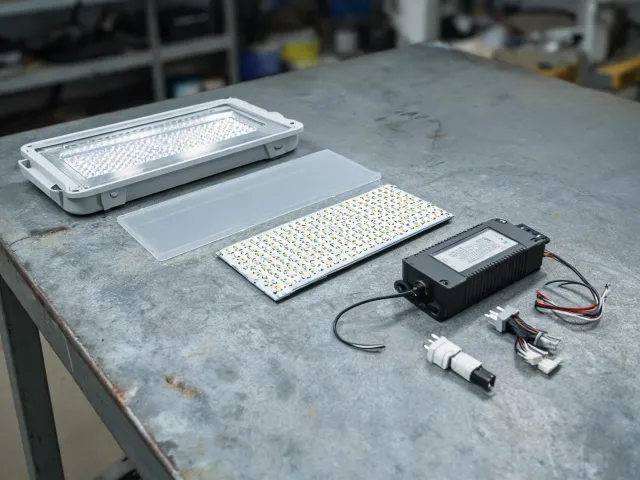
Integrated construction can reduce size and simplify thermal paths, but it may raise replacement cost when a driver or light engine reaches end of life. Serviceable components can extend useful system life, although connectors, access and compatible spares must be planned.
Our review separates rated L70 lifetime from a complete service strategy. Ambient temperature, switching cycles, driver stress and cleaning intervals all affect field outcomes; a lifetime projection is not a universal warranty statement.
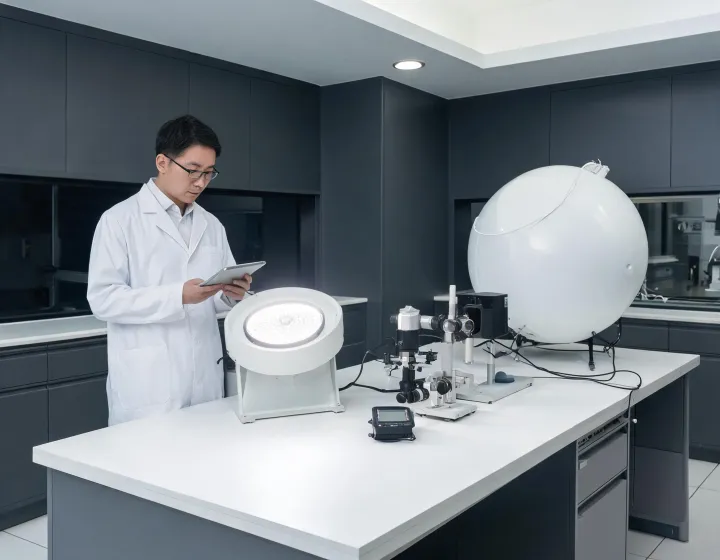
For a repeatable review, a project team can pair the exact ordering code with its LM-79 photometric basis, driver data, mounting instructions and controls sequence. The room model should disclose dimensions, reflectances, work-plane height and light-loss assumptions. A representative installation can then compare calculated values with field readings after stabilization. This method does not remove normal measurement tolerance, construction variation or the need for licensed approval, but it makes the reasoning visible to the designer, contractor and facility team.
Brand records identify UL, CE and RoHS credentials. Their geography and scope differ, so project documentation must confirm that the selected product and market are covered. CE marking addresses applicable European requirements, while a UL certification has a different North American context; neither label should be generalized across every family.
Ask for photometry, interface details and applicable compliance information.
Contact Savant